
Greece tours work best when the whole group agrees on what to see and how each day should run. Friends, families, clubs, schools and company teams all face the same puzzle. They need sights that please everyone, trips that are simple to book and days where food, drinks and guides are already sorted.
This guide walks through Athens, the big islands, the Cyclades and the great ancient sites of the mainland. Each region gets the sights to put on the list, the trips that are easiest to book and what usually comes included. It works as a simple checklist from My Greece Tours for groups ready to book.
What Should Groups Book On Greece Tours In Athens?
Groups in Athens should book a guided Acropolis visit, a walk through the historic streets and a sunset trip to Cape Sounion. A boat day or a cooking class rounds it off. Groups who want to compare more Greece tours and Tours In Greece can do that before they lock in their dates.
Which sights should groups put on the list in Athens?
The Parthenon sits on top of the Acropolis, the rocky hill at the heart of Athens. It was built as a temple to Athena, the goddess who gave the city its name. Next to it stands the Erechtheion, where stone statues of young women, called the Caryatids, hold up a porch roof on their heads.
The Acropolis Museum, at the foot of the hill, keeps most of the original maiden statues safe from the weather. Its glass floors show the ruins of an old neighbourhood underneath. Nearby, the Ancient Agora was the city’s market and meeting place, where people shopped and talked about how to run the city.
The Kerameikos, the city’s old cemetery, takes its name from the potters who once worked there. After the ruins, groups can wander the old lanes of Plaka and Monastiraki for snacks and gifts. Philopappos Hill gives a wide view of the Acropolis. Cape Sounion ends the day with Poseidon’s temple above the sea at sunset.
Which Greece tours are easiest to book in Athens?
Private Greece tours with a driver-guide suit families with young children or elderly grandparents. The price is set per group, so a big party often pays less per head than on shared trips. The comfortable van waits close by, and the plan bends around nap times, slow walkers and long, relaxed family lunches.
Boat cruises with swim stops suit friends and company teams who want sun and sea without leaving the capital. A skipper on a private boat lets the group choose its own coves. Guided walking tours suit curious teens, school groups and history fans, and guided Acropolis tours are the easiest place to start.
Cooking classes and wine tastings suit mixed generations, because everyone joins in at the same table. Adults sample local wines while younger members roll pastry, stuff vine leaves or mix creamy tzatziki. These Greece tours also work well on a hot afternoon or a rainy evening, when the open-air ruins feel less inviting.
What is usually included on Greece tours in Athens?
Most boat days include lunch or a BBQ meal cooked on board. That saves the organiser from hunting for a restaurant table that seats everyone. Drinks come with the meal, and some cruises pour them without limit. That keeps the mood easy, and no one has to collect cash for every single round.
On the Acropolis and in the museums, a licensed guide leads the way. Greek law lets only state-licensed guides lead groups inside these sites. The guide on a booked tour knows the stories well. A local guide in Plaka adds the small details maps miss, like the best bakery or the quietest lane.
Wine tastings on Greece tours in Athens often pair local wines with cheese, olives and fresh bread. Swim stops on the boat days give everyone a cool break in clear water between sights. Both turn a busy city trip into a relaxed group experience, and both need no extra planning from the organiser.
Which tips save time for groups in Athens?
Book the Acropolis for early morning, before the summer heat and the cruise ship crowds arrive. Pick one meeting point, such as the museum entrance, and share it in the group chat. Put a responsible adult at the back of the line, so nobody gets lost on the crowded steps up the hill.
Pack hats, sunscreen, refillable water bottles and shoes with good grip, since the marble paths are smooth and slippery. Light layers help on evening boat trips, when the wind picks up. Carry a small bag only, because big backpacks slow down entry at the main sites. Keep snacks handy for children and teenagers between meals.
What Should Groups Book On Greece Tours Of The Big Islands?
Groups on the big islands should book Knossos on Crete, a boat to Balos and a walk through Rhodes Old Town. On Zakynthos, a cruise to the Navagio shipwreck tops the list. Greece tours on these islands mix history, beaches and food, so every member of the group finds a favourite day.
Which sights should groups put on the list in the big islands?
On Crete, Knossos was the palace of the Minoans, an early people who ruled the island long before classical Athens. Legend links it to the Minotaur, a monster half man and half bull. The Heraklion museum holds its colourful wall paintings, and Chania’s old harbour, built by traders from Venice, glows at dusk.
Balos lagoon has shallow, blue water and pale sand, and most groups reach it by boat. Groups who want quieter corners can add some hidden gems in Crete. On Rhodes, the walled Old Town feels like a castle. The Street of the Knights holds the inns of soldier monks who once ruled the island.
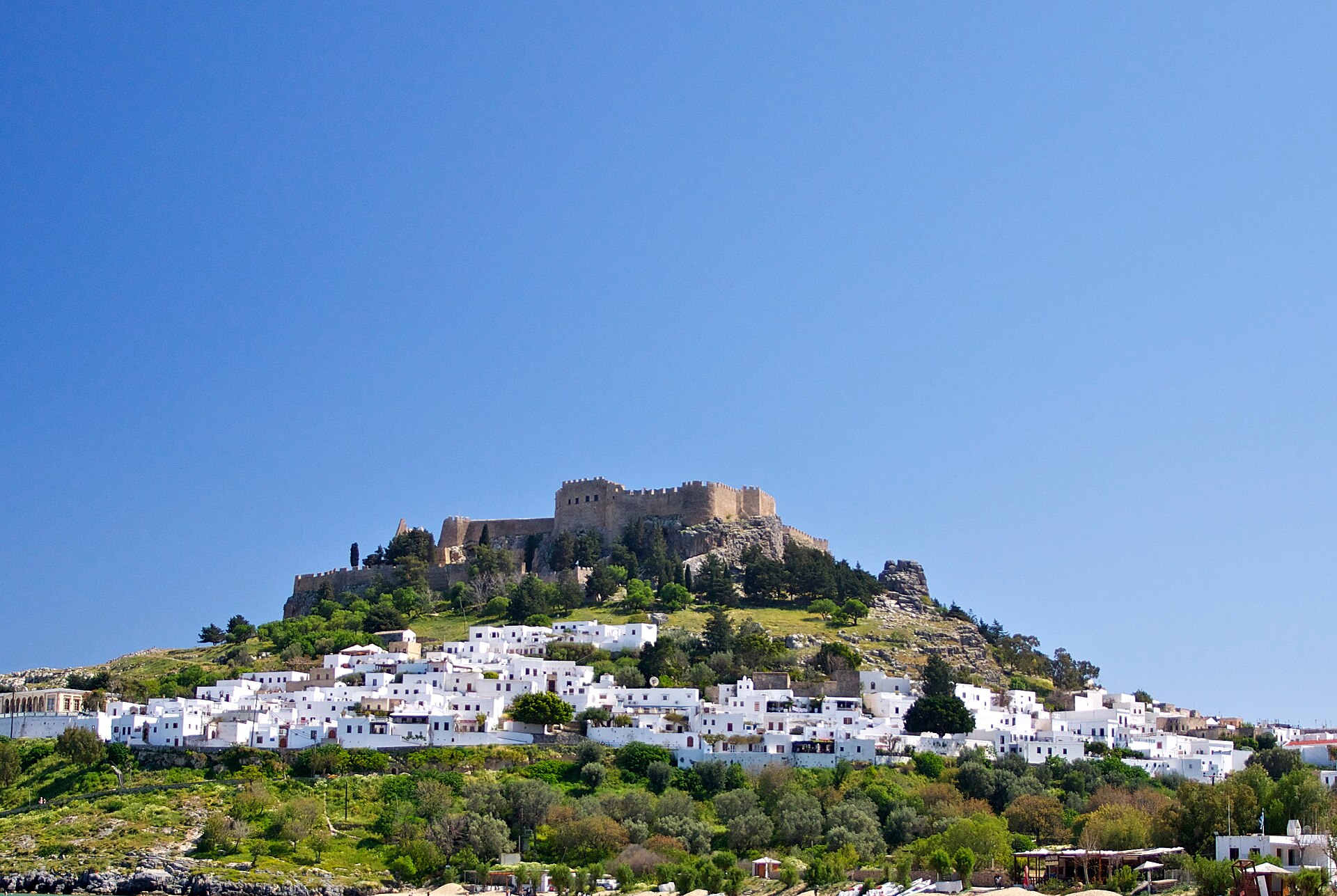
Lindos stacks white houses below its acropolis, a fortified hilltop with temple ruins high above the sea. Corfu old town mixes Venetian forts, arcaded cafes and narrow lanes. On Zakynthos, Navagio is a rusty shipwreck lying on a white beach, closed in by tall cliffs. Groups see it best from a boat.
Which Greece tours are easiest to book in the big islands?
Private Greece tours with a driver-guide suit big families who want to see Knossos and Chania in one easy day. The price is set per group, so the cost per person drops as the group grows. A skipper on a private boat does the same at sea, with the group picking its own beaches.
Boat cruises with swim stops suit friends and teams who love the water, such as the trips to Balos or Navagio. Full-day coach trips, like the ones that leave from Athens, also run from the main island towns. They suit schools and clubs, since everyone rides together at a low cost per head.
Cooking classes and wine tastings suit mixed ages and slower walkers. On Crete, groups learn to make simple dishes with local olive oil, herbs and soft cheese. These Greece tours fill a free afternoon and end with a shared meal. Grandparents and teens enjoy them equally, since nobody has to walk far.
What is usually included on Greece tours in the big islands?
Boat days to Balos or Navagio usually include lunch or a BBQ meal, so the group eats together without leaving the deck. Drinks are part of the deal, and some boats keep them flowing all day. That matters on long, sunny sea days, when cool water and cold drinks keep everyone’s temper calm.
At Knossos and in the Heraklion museum, a licensed guide brings the Minoan story to life. In Rhodes Old Town, a local guide points out the knights’ symbols carved over old doorways and gates. Both save the organiser hours of reading, and both keep the whole group moving at one steady pace.
Free time to explore is built into most Greece tours here, often in Lindos or Chania. It lets teenagers shop while parents relax in a shady cafe. Wine tastings on Crete pair local wines with mountain cheese and olives. Swim stops let everyone cool off in clear water before the ride home.
Which tips save time for groups in the big islands?
Crete is a big island. Pick one base in the east and one in the west instead of driving back and forth. Book boat days early in the trip, so a windy day can be swapped. Agree on a meeting time at every stop and stick to it, because boats do not wait.
Pack swimwear under clothes, a towel, water shoes and sunscreen for the boat days. Bring a light scarf or long trousers for the churches in the old towns. Group chats work well for sharing meeting locations, and one person should hold a list of every phone number. Motion sickness tablets help on choppy crossings.
What Should Groups Book On Greece Tours Of The Cyclades?
Groups in the Cyclades should book a caldera cruise on Santorini, a boat to Delos from Mykonos and a sea cave trip on Milos. Naxos and Paros round out the list. A caldera is the huge bowl of sea left after a volcano collapsed. It is the heart of most Greece tours here.
Which sights should groups put on the list in the Cyclades?
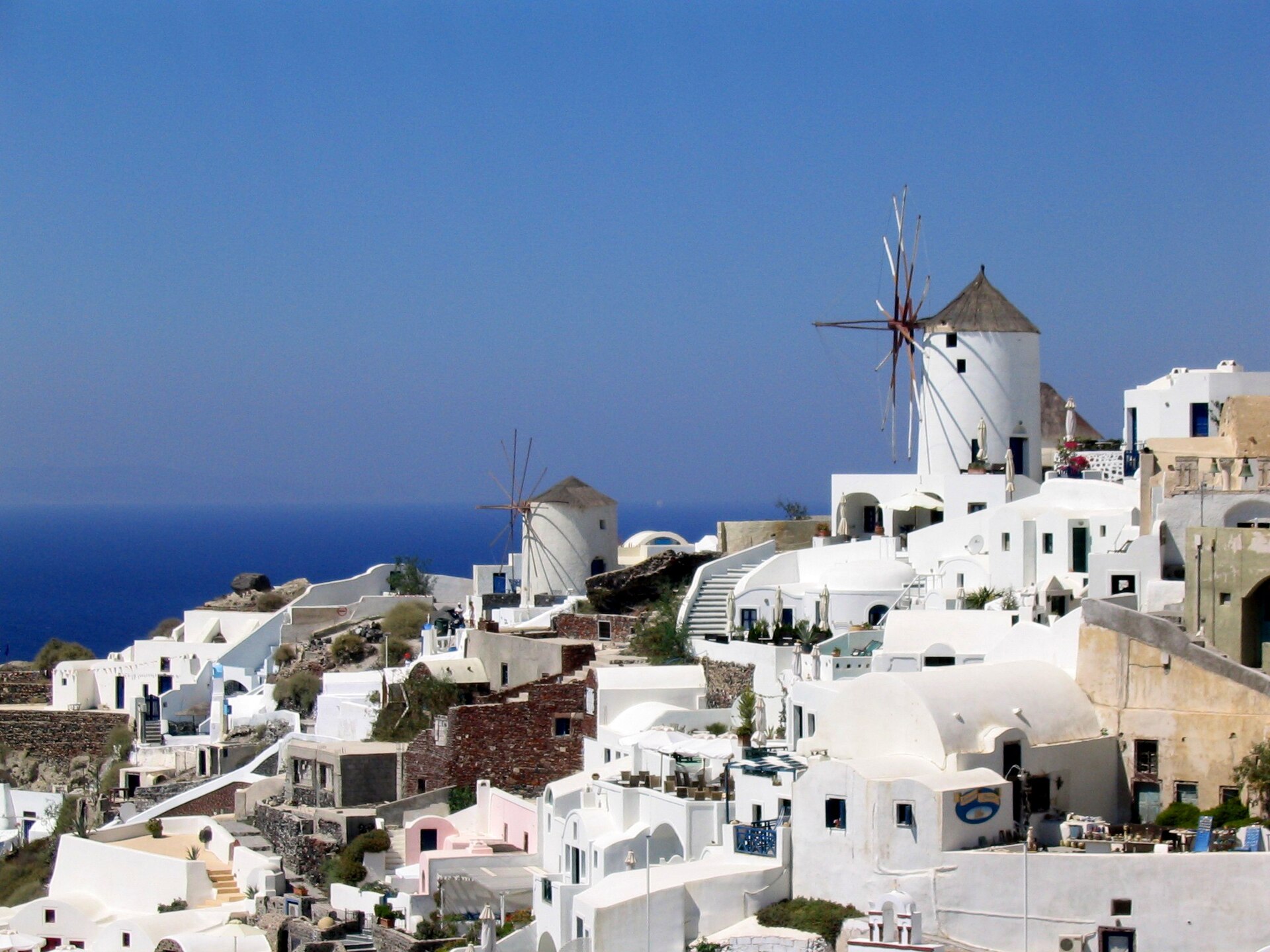
On Santorini, whitewashed towns cling to the cliff edge above the caldera. Oia is famous for its blue church domes and its sunset, so groups should claim a viewing spot early. Fira, the main town, has lively lanes and wide views of the dark volcanic islands in the middle of the flooded bay.
Mykonos is known for its row of white windmills and its maze of lanes, built to confuse pirates and the wind. From there, a short boat ride reaches Delos, a sacred island where myths say Apollo was born. Visitors may not stay overnight, and the ruins spread out like a giant open-air museum.
On Milos, Sarakiniko is a bay of smooth white rock that looks like the moon. Kleftiko, once a pirate hideout, has sea caves and rock arches that only boats can reach. On Naxos, the Portara is a giant marble doorway from an unfinished temple. Paros adds Naoussa, a fishing harbour with seaside tables.
Which Greece tours are easiest to book in the Cyclades?
Private Greece tours with a driver-guide or skipper suit big families and company teams on Santorini. The price covers the whole group, so a full van or boat brings the cost per person down. Small-group tours suit couples or friends inside a larger party who want to split off for a quieter day.
Boat cruises with swim stops are the classic choice for friends, whether round the caldera or out to Kleftiko. Snorkel and beginner scuba trips suit teens and active adults, since qualified instructors teach the basics in shallow water first. Full-day trips from Athens go by coach to the port and then by fast ferry.
These long days suit energetic friends who only have a short stay in the capital. Cooking classes and wine tastings suit everyone else, especially grandparents and curious food lovers. On Santorini, vines grow low in volcanic soil, twisted into basket shapes against the wind. Tastings often come with a sea view.
What is usually included on Greece tours in the Cyclades?
Most caldera and Milos cruises include lunch or a BBQ meal grilled on deck, often with Greek salad, tzatziki and fresh bread. Drinks come with it, and some boats offer them without limit. For groups, this means one price covers the whole day, and nobody needs to split a long, complicated restaurant bill.
Snorkel gear is handed out on board, so the group packs lighter and nobody forgets a mask. Swim stops at warm volcanic springs, white bays or sea caves give everyone plenty of time in the water. Strong swimmers explore further while others float near the ladder, and the crew keeps watch from the deck.
Wine tastings on Greece tours in the Cyclades usually take place at small family wineries. Many look out across the vineyards to the sea. Local whites pair with cheese, sun-dried tomatoes and capers. For a group, a tasting is a calm ending to a hot day and an easy way to celebrate together.
Which tips save time for groups in the Cyclades?
Ferries between the islands fill up in summer, so book group seats early and arrive at the port well before departure. Name one reliable person to hold all the tickets on a single phone. Keep luggage light, since lanes in the old towns are narrow, stepped and often too tight for rolling suitcases.
The summer north wind, called the meltemi, is part of island life. Carry a light jacket for boat days and sunset spots. Pack sunscreen, sunglasses and a hat, because the white walls bounce back the light. Book sunset tables and boat trips before the trip starts, since the best places sell out first.
What Should Groups Book On Greece Tours Of Ancient Sites?
Groups should book a full-day trip to Delphi, a stay near Meteora and a loop through Mycenae, Epidaurus and Nafplio. Ancient Olympia crowns a longer itinerary across the Peloponnese. Most Greece tours of the mainland link these sites by road. The group shares one comfortable coach or van from start to finish.
Which sights should groups put on the list in the ancient sites?
Delphi sits on a steep mountain slope, where the ancient Greeks came to ask the oracle, a priestess who spoke for Apollo. Above the temple, a theatre and a stadium give wide views over a valley of olive groves. Meteora feels like another world, with monasteries perched on top of giant rock pillars.
Mycenae was the fortress city of King Agamemnon, a hero from old Greek legends. Visitors walk in through the Lion Gate, with stone lions carved above the entrance. At Epidaurus, the great theatre carries sound so well that a whisper on stage reaches the top seats. Guides often drop a coin to prove it.
Nafplio, a pretty seaside town, was the capital of modern Greece before Athens. Above it, the Palamidi fortress tops a long climb up stone steps. Ancient Olympia is where the Olympic Games began, and the flame is still lit there. The Corinth Canal is a narrow cut through rock linking the Aegean and Ionian seas.
Which Greece tours are easiest to book in the ancient sites?
Full-day trips from Athens by coach are the simplest way to see Delphi or the Mycenae and Epidaurus loop. They suit school groups, clubs and big families, since everyone rides together and the cost per head stays low. Small-group tours suit smaller parties and clubs who want more personal attention from the guide.
Multi-day Greece tours with hotel nights suit groups who want Meteora and Olympia without long drives back. The group sleeps near the sites and visits them in the cool early hours. Guided walking tours inside Delphi or Mycenae suit history fans and teens with school projects. Guides explain each ruin in plain, everyday language.
Entry tickets bought for the whole group suit families who prefer to explore at their own pace. Parents read the information signs, children run ahead to the ancient stadium, and everyone meets again at the exit. These Greece tours cost less and fit groups with a natural mix of fast and slow walkers.
What is usually included on Greece tours in the ancient sites?
A licensed guide is the key part of most Greece tours to the ancient sites. Only state-licensed guides may lead groups inside Greek archaeological sites, so the guide has trained for the role. The guide turns piles of stone into living stories of kings, priests and athletes. Children’s questions are welcome at every stop.
Entry tickets come included on most guided trips, which spares the group long ticket lines in the sun. The guide hands them out at the gate and keeps the group together through security. Local guides in Nafplio or Kalambaka, the town below Meteora, add tips on food, shops and the best photo spots.
Hotel nights on multi-day trips are usually in comfortable, central hotels close to the main sites. For groups, the big win is that all the rooms are booked in one block, with no additional planning. Waking up near Meteora or Olympia also means an early start before the day crowds and the heat arrive.
Which tips save time for groups in the ancient sites?
Start early, because the sites have little shade and the midday sun is strong. At Delphi and Mycenae, the paths climb, so slower walkers can rest at the lower ruins. Agree on a meeting spot at the museum door before anyone wanders off. Count heads on the coach after every stop, especially with children.
For Meteora, women need long skirts and men need long trousers inside the monasteries, and shoulders must be covered. Pack water, hats, snacks and sturdy shoes for the uneven stones. Charge phones the night before, since long days on the road drain batteries fast. A small first aid kit helps with blisters and scrapes.
Conclusion: Greece Tours For Groups, Planned Well
Good Greece tours for groups start with a short list of sights, a few easy bookings and clear inclusions. Athens gives the history, the big islands give variety, the Cyclades give the sea and the mainland gives the great ancient sites. Mix them, and every member of the group gets a personal highlight.
Timing matters too, so check the best time to visit Greece before picking travel dates. Spring and early autumn bring softer heat and calmer sites, which suits mixed ages and energy levels. Book the important Greece tours early, share one plan with everyone and leave room for a slow, happy lunch by the sea.
Frequently Asked Questions About Greece Tours For Groups
Which Greece tours should groups book first?
Groups should book the Acropolis, a Santorini caldera cruise and any full-day trip to Delphi first, since these popular days fill fastest. Private boats and driver-guides come next, because each has only one vehicle or vessel per day. Cooking classes and tastings can wait until the main days are set and confirmed.
Are guided Greece tours better than planning it yourselves?
For most groups, yes, because a guide handles tickets, timing and headcounts while everyone else enjoys the day. Inside the big sites, only licensed guides may lead groups, and they bring the ruins to life. Self-planned days work best for free afternoons, beach time or shopping in towns like Nafplio or Chania.
What do Greece tours usually include?
Most Greece tours include a licensed or local guide, and many include entry tickets to the sites. Boat days add lunch or a BBQ meal, drinks, snorkel gear and several swim stops. Multi-day trips add hotel nights and free time to explore, while cooking classes often add wine tastings with local cheese.
How far ahead should groups book top Greece tours?
Groups should book the top Greece tours as soon as flights are set, especially for busy summer travel. Larger groups need several seats, rooms or boat spots on the same day, and those run out first. Booking early also gives the organiser enough time to collect payments and confirm names calmly.
Can groups cancel Greece tours?
Many Greece tours allow free cancellation up to a set point before the start, but the rules differ by trip. Private boats and multi-day tours often ask for a deposit that is not refunded after a late cancellation. Groups should read the terms before paying and keep a shared note of each deadline.
When are top Greece tours easiest to book?
Top Greece tours are easiest to book in spring and autumn, when crowds are smaller and boats have more free days. Winter suits Athens and the mainland sites, though many island boat trips pause until spring. Summer works too, as long as groups book well ahead and stay flexible about times.
How do groups pick the top Greece tours to book?
Groups pick the top Greece tours by matching each trip to the people going, then checking the guide, the group size and the pace. A short list of shared must-sees keeps the final choice simple. Everything else on the group’s wish list becomes a welcome bonus.
What should the group agree on before comparing tours?
Every group has its history lovers, beach fans and food explorers. Before anyone compares Greece tours, the organiser should ask each person for one must-do and one deal-breaker. That quick survey turns a long, messy wish list into a clear plan that almost everyone supports.
Next, the group should agree on a travel style. Some prefer small-group and private experiences, while others enjoy the lively feel of larger coach trips. Private Greece tours bend around the group’s own rhythm, which matters a lot with young children or older relatives.
The organiser should also note who has mobility limits, food needs or a fear of boats. These details rule some Greece tours out early and save hours of debate later. A clear guide for group organisers helps turn all the answers into a simple, shared checklist.
How do groups judge the quality of Greece tours?
Quality shows in the details, not in the glossy photos. Strong Greece tours name the meeting point, explain exactly what is included and state the maximum group size clearly. They also list the guide’s language and how much walking or climbing the day involves.
Inside ancient sites and museums, only state-licensed guides may lead groups, so a good listing mentions a licensed guide. Groups should also read comments from past travellers about timing, comfort and the guide’s energy. Advice on choosing the right Greek tour covers these checks in more depth.
Families with young children should look for shorter days, gentle walks and flexible breaks. Practical family-friendly travel tips help parents pick Greece tours with room for naps, snacks and swims. Teenagers often prefer active days, such as kayaking or hiking, to long, quiet museum visits.
Mixed groups do best with a balance of styles across the week. A guided morning at a famous site pairs well with a beach afternoon or a cooking class. That way, every member of the group gets a day built around their favourite thing.
Why do groups book Greece tours online ahead?
Groups book Greece tours online ahead because popular trips fill quickly, and large parties need many seats on the same day. Early booking also secures the best times. Online systems send instant confirmations, so the organiser can share proof with everyone in the group.
What does booking ahead protect for groups?
The best departure times go first, such as cool early starts at busy sites or sunset sailings. Groups who wait often end up with midday slots in full sun. Booking Greece tours ahead keeps the whole party together on the same boat, bus or walking route.
Space is the other big reason. A small family can squeeze onto a last-minute trip, but a large club rarely can. Online booking lets the organiser hold every seat for the group’s Greece tours in one go, with a single confirmation to share.
Booking early also gives local tour teams time to prepare properly. Guides can plan for wheelchairs, strollers, birthday surprises or special diets when they know in advance. Last-minute Greece tours rarely offer that kind of care and flexibility, especially during the busy summer season.
Early booking protects peace of mind as well. Once the main days are fixed, the organiser can plan meals, rest days and free time around them. Nobody spends the holiday scrolling through booking pages instead of enjoying the view.
How do groups book Greece tours online safely?
Groups should book Greece tours through well-known booking websites or the official site of a local operator. A clear street address, a phone number and a secure payment page are all good signs. Paying by card adds an extra layer of protection if a booking goes wrong.
Before paying, the organiser should read the meeting point details, the start time and the rules for changing names. Some Greece tours need every traveller’s full name for site tickets. Sensible safety tips for tourists also warn against street sellers offering cheap tickets on the day.
Once everything is booked, the organiser should save every confirmation in one shared folder. A short group chat message with the time, the meeting point and the guide’s contact keeps everyone informed. Many Greece tours also send a friendly reminder by email or text before the trip.
How do groups avoid clashes between Greece tours?
Groups avoid clashes between Greece tours by leaving buffer time and checking travel times between meeting points. They never stack an early start after a late night. A shared calendar shows every booking at a glance and reveals the best gaps for rest.
Why do clashes happen between Greece tours?
Most clashes between Greece tours come from simple optimism. A boat trip can return late when the sea turns rough, and the next tour leaves without the group. Island ferries also run behind schedule in strong wind, which quickly ruins a tight plan for the whole day.
Meeting points cause plenty of trouble too. Separate Greece tours in the same city often start in different districts, and traffic moves slowly at rush hour. Groups who check the route between meeting points on a map avoid a stressful taxi race across town.
Ferry days need special care in any group plan. Useful ferry travel tips explain why groups should never book a tour on the morning they arrive by boat. Delays are common in windy weather, and refunds for missed Greece tours are rare, even when the ferry is to blame.
How do groups build a clash-free tour plan?
A simple rule works well: one main tour per day, with free time around it. Well-planned escorted tour itineraries follow this rhythm, which is why they feel calm even when they cover a lot of ground. Groups can copy the same pattern when they build their own Greece tours.
Before booking, the organiser should run a quick check on every pair of Greece tours. These points catch most clashes before they happen:
- The end time of one tour and the start of the next.
- The travel time between both meeting points.
- Ferry and flight days, kept free of fixed tours.
- Early starts that follow late dinners or nights out.
- Rest time for children and older relatives.
Groups should also respect the local rhythm of the day. Many small shops close in the afternoon heat, and local customs and etiquette favour long, unhurried meals with friends. Planning Greece tours around these habits avoids rushed lunches, closed doors and grumpy, hungry teenagers.
Late dinners are part of Greek life, and many tavernas fill up only after dark. Groups who enjoy those long nights should keep the next morning free or book a later start. Tired travellers walk slower, and slow walkers make the whole group late.
How do groups keep Greece tours within budget?
Groups keep Greece tours within budget by asking about group rates and mixing paid tours with free days. Private trips often cost less per head for big parties. Clear rules on shared costs keep everyone relaxed from the first day to the last.
Which choices cut the cost of Greece tours?
For large parties, a private tour priced per group often costs less per person than many shared tickets. Smaller groups save more on shared Greece tours, where other travellers split the cost. The organiser should compare both options side by side before paying any deposit.
Shorter Greece tours cost less than full-day trips and still cover the main sights. Groups can pair a morning tour with a free afternoon at the beach. That mix keeps spending down without making anyone feel they missed out on the best parts.
Free days help the budget most of all. Beaches, old towns, local markets and many viewpoints cost nothing, and they balance out the paid days. Practical budget tips for Greece list more ways to save on food, transport and entry tickets.
Packing also affects the final cost of a trip. Light bags avoid extra fees on budget flights and make ferry days and hotel changes much easier. These packing light tips for island tours show what to bring and what to leave at home.
How do groups share the cost of Greece tours fairly?
Money is the quickest way to spoil a group trip, so clear rules help. The organiser should share a simple list of each tour, its cost per head and the payment deadline. Everyone then knows exactly what they are paying for and when.
Not everyone in the group needs to join every single tour. Optional Greece tours, such as a sunset sail or a wine tasting, let people opt in or out without pressure. This keeps the shared bill fair for members on tighter budgets and avoids awkward talks later.
A small shared fund covers tips for guides, snacks and surprise costs during Greece tours. One trusted person holds it and keeps every receipt in one envelope. At the end of the trip, any money left over is split evenly or returned.
Some groups pick one person to pay for each tour, then settle up at the end with a payment app. Others collect everything up front before the first booking. Either way works well, as long as the method is agreed early and written down.
Which Greece tours suit groups who like a slow pace?
Slow Greece tours suit groups who like long lunches, village walks and one base for several nights. They trade a long list of sights for deeper, calmer days. Families travelling with grandparents and clubs of old friends especially enjoy this relaxed style.
What does a slow-paced day look like on Greece tours?
A slow day on Greece tours starts late, with coffee in a village square. The main activity is gentle, such as a stroll through olive groves or a visit to a family farm. Lunch runs long, and the afternoon belongs to a nap or a swim.
Gentle walking tours fit slow Greece tours perfectly, because the group moves at the speed of its slowest member. Guides stop often to explain a chapel, a fountain or an old stone path. Nobody feels rushed, and older relatives stay part of every moment.
Food sits at the heart of every slow, relaxing trip. Cooking classes, wine tastings and long meals at family tavernas fill the gaps between short walks. These moments bring big groups together around one table, which is where the best conversations happen.
Slow Greece tours also leave space for the unplanned. A chat with a shop owner, a village festival or a sudden swim becomes the best memory of the trip. Groups who build in free hours catch these moments instead of rushing past them.
Which places suit slow Greece tours for groups?
Mountain and island villages make ideal bases for slow Greece tours. Places such as Zagori in the north, the villages of Crete or the hill towns of Naxos reward an unhurried pace. This list of traditional Greek villages helps groups pick the right base.
Local customs shape slow Greece tours in a lovely way. Groups can bake bread in a village oven, join a dance at a summer festival or help with the olive harvest in autumn. This guide to local Greek traditions explains how to join in politely.
Slow travel is also kinder to the communities groups visit. Staying longer in one spot supports small family businesses and means fewer long transfers. Simple advice on sustainable travel in Greece shows groups how to explore slow Greece tours lightly and respectfully.
Which Greece tours suit groups who like a busy pace?
Busy Greece tours suit active groups who want to see as much as possible, with early starts, several sights a day and evenings out. Sports clubs, school groups and energetic friends usually love this style. Good planning keeps it fun rather than tiring.
What do fast-paced Greece tours include?
Fast-paced Greece tours pack famous sights into long, full days. A single day from Athens can cover ancient ruins in the morning and a mountain town by dusk. Comfortable coaches move quickly between stops, and experienced guides keep the group on a tight schedule.
Island-hopping Greece tours suit busy groups as well. Fast ferries link the islands, so a group can wake up on one island and watch the sunset on another. Each stop brings different beaches, unfamiliar food and a fresh harbour to explore.
Active Greece tours fit this pace too. Groups can kayak along sea caves, cycle between villages or try rock climbing on the cliffs of Kalymnos. These adventure activities by land and sea give sporty groups a full and exciting schedule.
Hiking Greece tours keep walkers happy from dawn to dusk. Routes such as the Samaria Gorge on Crete or the paths around Meteora suit fit groups with good shoes. These top hiking trails show which walks match each fitness level.
How do busy groups keep their energy on Greece tours?
Busy Greece tours need plenty of fuel and water. Groups should eat a proper breakfast, carry healthy snacks and drink water regularly, especially in the summer heat. A quick lunch at a roadside taverna keeps everyone energised until dinner.
Sleep matters just as much on busy Greece tours. Fast-paced trips work best when the group saves late nights for the final evening or for days with a later start. A calm, early evening in the middle of the itinerary helps everyone recharge.
The organiser should also watch the energy and mood of the group. When people start to drag, swapping one sight for a swim or a long coffee break saves the day. Busy Greece tours work best when the plan bends a little.
Clear responsibilities help busy groups move quickly. One person tracks the schedule, another holds the tickets and someone else counts heads at every stop. With jobs shared out, the guide can focus on the sights and nobody wastes time waiting.
Which Greece tours mix rest and sightseeing for groups?
The best Greece tours for mixed groups pair a morning of sightseeing with an afternoon of rest at a beach or pool. This balance suits families, company groups and friends with different energy levels. Nobody gets bored, and nobody gets worn out.
How does a balanced day work on Greece tours?
A balanced day on Greece tours starts early at a famous site, before the heat and the crowds arrive. By lunch the group is back by the sea, with the rest of the day free. Evenings bring a relaxed dinner and, for those with energy left, a stroll through town.
Island Greece tours suit this rhythm best. On Crete, Rhodes or Naxos, a group can visit ruins or an old town in the morning. After lunch, everyone swims at one of the best Greek beaches nearby, often only a short drive away.
This mix also keeps the peace in groups with very different interests. History fans get a guided visit each morning, while beach lovers know the afternoons belong to them. Everyone gathers again at dinner with plenty of stories to share.
The weather shapes the balance on Greece tours as well. In the hottest weeks, sightseeing moves to the early morning and late afternoon, with a long rest in the middle of the day. In spring and autumn, groups can stretch the sightseeing a little longer.
Which Greece tours build rest into the plan?
Sailing holidays are among the most natural Greece tours for mixed groups. The boat moves between islands in the morning, then anchors in a quiet bay for swimming and lunch. Some days include a harbour town to explore, while others are pure rest on deck.
Multi-day Greece tours with hotel nights also build in rest. Good itineraries include free afternoons and a full day off in a beach town. Groups should check the daily plan for these gaps before booking, since nonstop trips wear out younger and older members alike.
The choice of hotel matters on these trips too. Small hotels with gardens or pools give tired members a peaceful retreat while others continue exploring. These eco-friendly places to stay often sit in quiet spots that make rest feel natural.
Which Greece tours suit groups who want short days?
Short Greece tours suit groups with young children, older relatives or tight schedules, because they cover one main sight and finish early. Morning walks, museum visits and sunset cruises fit this style well. The rest of the day stays free for rest or a swim.
Which short Greece tours work best for groups?
City walks are the easiest short Greece tours to book. A morning walk through central Athens, Thessaloniki or Nafplio covers the main sights and ends before the midday heat. Groups then enjoy lunch together and spend the afternoon however they like.
Museums make another short and comfortable choice, especially on hot or rainy days. A guided visit to a major collection fills a morning, with shade, seats and cool air throughout. This Greek art and museum guide lists the best collections for groups.
Plenty of other short Greece tours suit groups well. Popular choices include:
- Sunset cruises along the coast with a swim stop.
- Evening food walks with local tastings.
- Cooking classes that end with a shared meal.
- Wine tastings at vineyards close to town.
- Short boat trips to a nearby island.
- A late afternoon drive to Cape Sounion for sunset.
Short tours also suit company groups with business commitments to fit in. A morning tour and a free afternoon let team members join calls or rest before a group dinner. Planners can line up several short days in a row without anyone feeling worn out.
How do groups plan short days on Greece tours?
Short Greece tours work best from a central base. Groups who stay in the heart of Athens or an island town reach most meeting points on foot. That saves valuable time and energy, and nobody wastes the morning sitting in traffic.
Athens makes an excellent base for short trips. Many day trip ideas from Athens fit a short day, such as a ferry to a nearby island. Groups return to the same hotel each night, which suits families with small children.
Families should also think carefully about naps and mealtimes. Tours that start after breakfast and finish before lunch suit toddlers best, while sunset trips suit teenagers. Mixing both across the week gives every generation a turn.
Short days still need clear timing. The organiser should share the start and end time of each tour, so everyone can plan naps, meals and free time. Ending early also means the group has energy left for a long, happy dinner together.
Which destinations offer the top Greece tours to book?
The top Greece tours to book cluster in the Cyclades islands, the historic mainland and the large islands such as Crete and Rhodes. Each area suits a different kind of group, from beach lovers to history fans. Many groups combine the mainland with an island stay in one trip.
Cyclades
The Cyclades are the classic white and blue islands of the Aegean Sea. Greece tours here focus on boat trips, beaches, sunsets and narrow village lanes. Island-hopping Greece tours by ferry let groups see several islands in a single holiday.
- Mykonos: famous for its windmills, Little Venice and lively beaches.
- Naxos: known for the marble Portara, sandy beaches and mountain villages.
- Paros: loved for the fishing harbour of Naoussa and easygoing island life.
- Milos: known for Sarakiniko’s white rocks and sea caves seen by boat.
- Ios: famous for golden beaches, a hilltop village and lively nights out.
Mainland
The mainland holds the great ancient sites, from the Acropolis to the theatre at Epidaurus. Greece tours here are often coach day trips from Athens or multi-day loops with hotel nights. Guided Greece tours bring the old stories of gods, kings and athletes to life.
- Athens: home of the Acropolis, the Parthenon and buzzing old neighbourhoods.
- Meteora: known for monasteries perched on top of giant rock pillars.
- Olympia: the birthplace of the ancient Olympic Games, set in a sacred grove.
- Mycenae: famous for the Lion Gate and the legendary home of Agamemnon.
- Epidaurus: an ancient theatre with remarkable sound that still hosts summer shows.
Large islands
The large islands mix history, mountains and long sandy beaches in one place. Greece tours here suit groups who want variety without changing hotels too often. Crete by itself has enough Greece tours to fill a whole holiday, from palace visits to gorge hikes.
- Crete: known for the palace of Knossos, Balos lagoon and deep mountain gorges.
- Rhodes: famous for its walled medieval Old Town and the acropolis of Lindos.
- Corfu: loved for its Venetian old town, green hills and calm bays.
- Kefalonia: known for Melissani Cave, Myrtos Beach and quiet harbour villages.
How do groups plan Greece tours over eleven days?
Groups plan Greece tours over eleven days by starting with three days in Athens. The Peloponnese and Meteora come next, followed by four island days. This order saves the beach days for the end, when everyone is ready to slow down.
Three Athens days
The opening day of most Greece tours belongs to the Acropolis. Groups should arrive early with a licensed guide, then walk down to the Acropolis Museum for a cool break. The evening is free for a welcome dinner in Plaka, right under the hill.
The next day covers the Ancient Agora, the market streets of Monastiraki and the National Archaeological Museum. Many Greece tours in Athens add the changing of the guard at Syntagma Square, where guards in old-style uniforms march outside parliament. Lunch is a long one at a taverna in the old town.
The final Athens day is a trip out of the city. Groups can cruise to the nearby islands of Aegina, Poros and Hydra, or drive the coast road to Cape Sounion. Both Greece tours return to Athens in time for a late dinner.
Groups who prefer to plan these days themselves can follow this guide to self-guided itinerary planning. It shows how to order the sights, book tickets and keep everyone moving at a comfortable pace. Athens rewards early starts and long breaks in the afternoon heat.
Staying in one central hotel for the whole Athens stay makes these days much easier. Most sights sit within walking distance of Plaka and Syntagma, and the metro reaches the rest. Nobody needs to pack and unpack until the road trip begins.
The Peloponnese and Meteora
Most Greece tours of the Peloponnese start with a coach or private van heading west from Athens. The first stop is the Corinth Canal, a narrow cut through solid rock, for photos from the bridge. Next comes Mycenae, where groups walk through the Lion Gate into the city of King Agamemnon.
Epidaurus follows, with its ancient theatre where a whisper on stage reaches the back rows. Groups spend the night in Nafplio, a seaside town of pretty squares and Venetian forts. Dinner by the harbour makes a perfect end to a full day of Greece tours.
The road then crosses the Peloponnese to Ancient Olympia, home of the original Olympic Games. Groups can race on the old stadium track, just as athletes did long ago. A licensed guide explains the temples, the training grounds and the workshop of the great sculptor Pheidias.
From Olympia, the route heads north over the great bridge across the Gulf of Corinth. Many Greece tours spend a night near Delphi, where the ancient Greeks asked the oracle about the future. The theatre and stadium above the temple give wide views over the valley.
Meteora is the grand finale of mainland Greece tours. Monasteries sit on top of giant rock pillars, and monks once reached them by rope ladders and nets. Groups visit in the morning, then watch the sunset over the rocks before heading back to Athens the next day.
The mainland road trip is where a good guide pays off most. Long drives pass quickly with stories, music and stops for coffee and local snacks. Groups who share one vehicle also share one schedule, which keeps the days simple.
Four island days
The trip ends on the islands, reached by ferry from the port of Piraeus or by a short flight. Mykonos and Santorini make a classic pair, with Naxos or Paros as calmer options. Groups who want ideas for linking islands can read this guide to Greek island hopping.
On Mykonos, the best Greece tours cover the windmills, Little Venice and a boat trip to the sacred island of Delos. Evenings are lively, so groups of friends enjoy a long dinner by the water. Families can choose quieter, sheltered beaches close to town.
Santorini fills the next days with a caldera cruise, a swim at the hot springs and a sunset in Oia. Wine tastings at a cliff-top winery suit the adults, while the kids enjoy the black sand beaches. Greece tours here sell out early, so booking ahead matters most on this island.
Groups with less time can shorten the plan with this week-long Athens and islands itinerary. It keeps the Athens days and the island highlights but drops the mainland road trip. The full eleven days of Greece tours, though, give the best balance of history, scenery and rest.
The final evening is best spent together at a seaside taverna. Groups can fly back to Athens the next morning or take the ferry for one last look at the Aegean. Either way, the trip closes on a calm and happy note.
More questions about Greece tours for groups
Groups planning Greece tours for friends or family often ask the same practical questions about timing, comfort, food, tipping and what to wear. The short answers below cover the points that come up most.
Can groups book Greece tours for the same day?
Yes, groups can book Greece tours for the same day, especially outside peak summer, but large parties find fewer seats at short notice. Private boats and private guides are the hardest to find at the last minute. Booking online the evening before gives a much wider choice.
Are Greece tours suitable for older relatives?
Yes, many Greece tours suit older relatives, especially private trips, boat cruises, cooking classes and museum visits with seats and shade. The organiser should ask about steps, slopes and the amount of walking before booking. Ancient sites have uneven stone paths, so a slow pace and good shoes help.
Do Greece tours pick up from hotels?
Many Greece tours include hotel pickup in Athens and on the big islands, while others start from a central meeting point. The tour details state which option applies. Groups staying in one hotel can often arrange a private pickup for everyone together.
Can Greece tours handle dietary needs?
Yes, most Greece tours with meals can handle vegetarian, vegan, gluten-free and allergy needs when the organiser shares them early. Greek food already includes plenty of vegetable dishes, beans and fresh salads. Groups should list every need in one clear message at booking.
How do groups tip on Greece tours?
Tipping on Greece tours is welcome but not required. Groups usually collect a small amount from everyone and hand it over together. Boat crews and drivers appreciate a share as well, especially after a long and happy day.
Which shoes suit Greece tours?
Comfortable walking shoes or trainers with good grip suit most Greece tours, because ancient sites have uneven stones and polished marble paths. Sandals with straps work well for boat days and beach towns. Water shoes help on pebbly beaches and rocky swim stops.
See more in Athens Escorts:
- Escort Βούλα: Outcall Συνοδοί στα Νότια Προάστια (Οδηγός 2026)
- Escort Καλλιθέα: Outcall Συνοδοί στα Νότια της Αθήνας (Οδηγός 2026)
- Πώς να διαχειριστείς το άγχος πριν από ένα ερωτικό ραντεβού
- Πώς να μιλήσεις ανοιχτά για τις ερωτικές επιθυμίες σου
- Οδηγός Επισκέπτη Για Τα Ποσειδώνια 2026: Τι Να Δείτε, Πού Να Πάτε Και Πώς Να Οργανώσετε Το Ταξίδι Σας